
Tired of the pain, the limitations, and the self-consciousness? There is a path forward.
Breast reduction removes excess breast tissue, fat, and skin to achieve a size proportionate to your body and relieve discomfort.
All figures are approximate and indicative. Your surgeon will provide guidance based on your individual circumstances.
People consider breast reduction when...

Understanding breast reduction
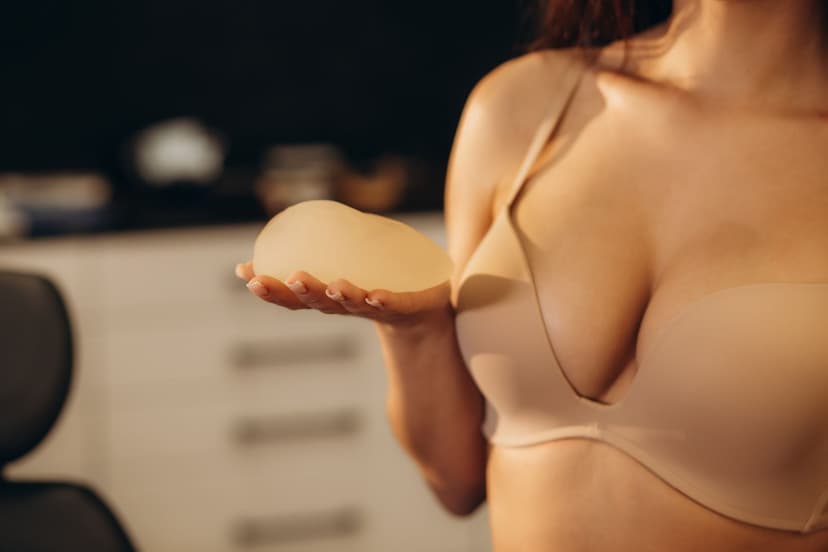
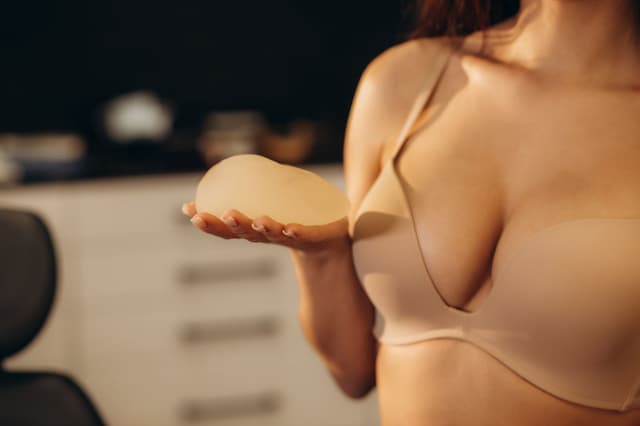
Breast reduction surgery removes excess breast tissue, fat, and skin to achieve a breast size more proportionate to your body. It is commonly sought by women experiencing chronic back, neck, or shoulder pain, skin irritation, or difficulty with physical activity due to breast size.
The procedure is performed under general anaesthesia and typically takes 2 to 4 hours. Your surgeon will discuss the technique, incision patterns, and expected scarring during your consultation.
In some cases, breast reduction may qualify for Medicare rebates if there is a documented medical reason. Your GP can advise whether a referral under a relevant Medicare item number is appropriate.



What to expect after surgery
Rest at home. Chest will feel tight and sore. Drains may be in place. Pain managed with prescribed medication.
First post-operative appointment. Drains removed if present. Light movement encouraged. Supportive bra worn continuously.
Many return to desk-based work. Swelling continues to reduce. Most patients notice an immediate improvement in back and neck pain.
Energy levels returning. Light exercise such as walking. Still avoiding heavy lifting and high-impact activity.
Most restrictions lifted with surgeon approval. Gradual return to exercise.
Breasts settle into their final shape. Scars continue to mature and fade over the following 12 to 18 months.
Not sure where to start?
Take our 2-minute quiz and we'll match you with surgeons who have experience in breast reduction, fit your budget, and are in your area.
Take the QuizWhat does breast reduction cost?
We know. Crazy range, right?
How can there possibly be such a big difference? Because every quote includes different things. Surgeon fees, hospital costs, anaesthetist, implants, aftercare. Some quotes bundle everything. Others add extras later.
Everyone is looking for something different, and we factor that in when we support you. We help you compare quotes like for like so you know exactly what you are paying for.
Your concierge breaks down every quote and explains the differences so you can compare with confidence.
Payment Plans Available
Repayments from $75pw ($11k) with TLC
Indicative range. Out-of-pocket costs may be lower if Medicare rebates apply for medically necessary cases. Always request a full itemised breakdown and check your private health insurance entitlements.
Flexible payment plans available.
We've partnered with TLC for payment plans from $2,000 to $70,000. Pre-approval in 48 hours with no credit impact. Include your surgery, Pirk fee, flights, and accommodation all in one plan.
Explore payment options
The things people actually worry about

Your body. Your choice. Our support.
Get StartedBreast reduction sits at the intersection of medical and cosmetic care, and that makes it uniquely complex
Medicare eligibility, item numbers, private health insurance gaps, and surgeon fees create a confusing funding landscape. Your Pirk concierge helps you understand what you may be entitled to and how to navigate the process.
The amount of tissue removed directly affects your result. We help you prepare for consultations so you can clearly communicate your goals and understand your surgeon's recommendations.
Many women have lived with discomfort for years and feel uncertain about whether their concerns are 'enough' to justify surgery. Your concierge provides a supportive, judgement-free sounding board.
Choosing between surgeons who treat reduction as primarily functional versus primarily aesthetic matters. We help you explore practitioners whose approach aligns with your priorities.

Hi, I'm Chloe.
I started Pirk because I went through this myself. I spent months late at night researching surgeons, reading forums, comparing clinics, and still didn't feel confident that I was making the right choice.
I thought — there has to be a better way. So I built one. Pirk is an independent concierge that does the research for you, compares your options honestly, and supports you through every step. No bias. No commissions influencing recommendations. Just someone in your corner who actually gets it.
We've now helped hundreds of Australians feel informed, supported, and confident about one of the biggest decisions of their lives.
Chloe Walker
CEO & Founder, Pirk
4.9 on Google. 61 verified reviews.
Individual experiences vary. These are real reviews from real clients on Google.
“For six years I had struggled with feeling unhappy about my body. They took the time to address all of my concerns, creating a safe and understanding space where I felt truly heard. Now that I'm about to have my first consultation, I feel completely reassured that I chose this company to guide me through the process.”
Individual experiences vary.
“I had an incredible first experience with Pirk. At our very first consultation, they were warm, professional, and genuinely supportive. They made me feel completely comfortable discussing my goals and took the time to explain every step clearly and honestly. I never felt rushed or pressured, just truly understood and supported.”
Individual experiences vary.
“If it wasn't for Pirk I would have no idea on how to go about making a decision on a qualified surgeon for me. And when it came to going in for the consultation with the surgeon I came out feeling confident and happy, all my questions were answered due to the guidance and assistance of Pirk.”
Individual experiences vary.
“Pirk was fantastic in providing me with the information I needed to start my breast reduction process. We chatted like old friends. They are taking the stress out of the process. Very knowledgeable and friendly.”
Individual experiences vary.
“I engaged with Pirk because I had no idea what I should be looking for online with a surgeon. Google searches bring up so much yet so little at the same time. As someone who's had cosmetic surgery before, I'd recommend using this service to anyone who doesn't know where to start. I'm going into this feeling confident and excited, rather than overwhelmed.”
Individual experiences vary.
“After finding out I needed surgery, I honestly didn't know where to look to find a surgeon that would suit my needs. It became very stressful and totally overwhelming. Pirk listened to my needs, asked me relevant questions and within a few hours called me back with options and explained in detail why they had chosen them. The stress was no longer there.”
Individual experiences vary.
“I was a bit overwhelmed with all the options available, but they narrowed it down, took my goals and understood what I was looking for. Then pointed me in the right direction, set up the appointment and will follow up after the treatment.”
Individual experiences vary.
“They took all the time in the world to answer my 101 questions. You certainly made me feel comfortable and supported me emotionally with such a big decision. Seamless process with so much support from the minute you start.”
Individual experiences vary.
“For six years I had struggled with feeling unhappy about my body. They took the time to address all of my concerns, creating a safe and understanding space where I felt truly heard. Now that I'm about to have my first consultation, I feel completely reassured that I chose this company to guide me through the process.”
Individual experiences vary.
“I had an incredible first experience with Pirk. At our very first consultation, they were warm, professional, and genuinely supportive. They made me feel completely comfortable discussing my goals and took the time to explain every step clearly and honestly. I never felt rushed or pressured, just truly understood and supported.”
Individual experiences vary.
“If it wasn't for Pirk I would have no idea on how to go about making a decision on a qualified surgeon for me. And when it came to going in for the consultation with the surgeon I came out feeling confident and happy, all my questions were answered due to the guidance and assistance of Pirk.”
Individual experiences vary.
“Pirk was fantastic in providing me with the information I needed to start my breast reduction process. We chatted like old friends. They are taking the stress out of the process. Very knowledgeable and friendly.”
Individual experiences vary.
“I engaged with Pirk because I had no idea what I should be looking for online with a surgeon. Google searches bring up so much yet so little at the same time. As someone who's had cosmetic surgery before, I'd recommend using this service to anyone who doesn't know where to start. I'm going into this feeling confident and excited, rather than overwhelmed.”
Individual experiences vary.
“After finding out I needed surgery, I honestly didn't know where to look to find a surgeon that would suit my needs. It became very stressful and totally overwhelming. Pirk listened to my needs, asked me relevant questions and within a few hours called me back with options and explained in detail why they had chosen them. The stress was no longer there.”
Individual experiences vary.
“I was a bit overwhelmed with all the options available, but they narrowed it down, took my goals and understood what I was looking for. Then pointed me in the right direction, set up the appointment and will follow up after the treatment.”
Individual experiences vary.
“They took all the time in the world to answer my 101 questions. You certainly made me feel comfortable and supported me emotionally with such a big decision. Seamless process with so much support from the minute you start.”
Individual experiences vary.
You've been thinking about it. Let's talk.
15 minutes. No pitch, no obligation. We'll figure out the right next step together.



Learn more about breast reduction
Common questions about breast reduction
Ready to explore breast reduction?
Tell us what you are looking for. We will research surgeons with experience in breast reduction and guide you from there.
Disclaimer: Pirk is not a medical provider. We're here to support your decisions and help connect you with qualified, registered health practitioners. All procedures are performed by qualified surgeons or registered health practitioners, and any medical advice should always come directly from your treating provider. We guide you through the journey, but all medical decisions are made between you and your surgeon. Individual results may vary. All pricing is indicative and varies by surgeon, location, and individual circumstances. Terms and conditions apply.