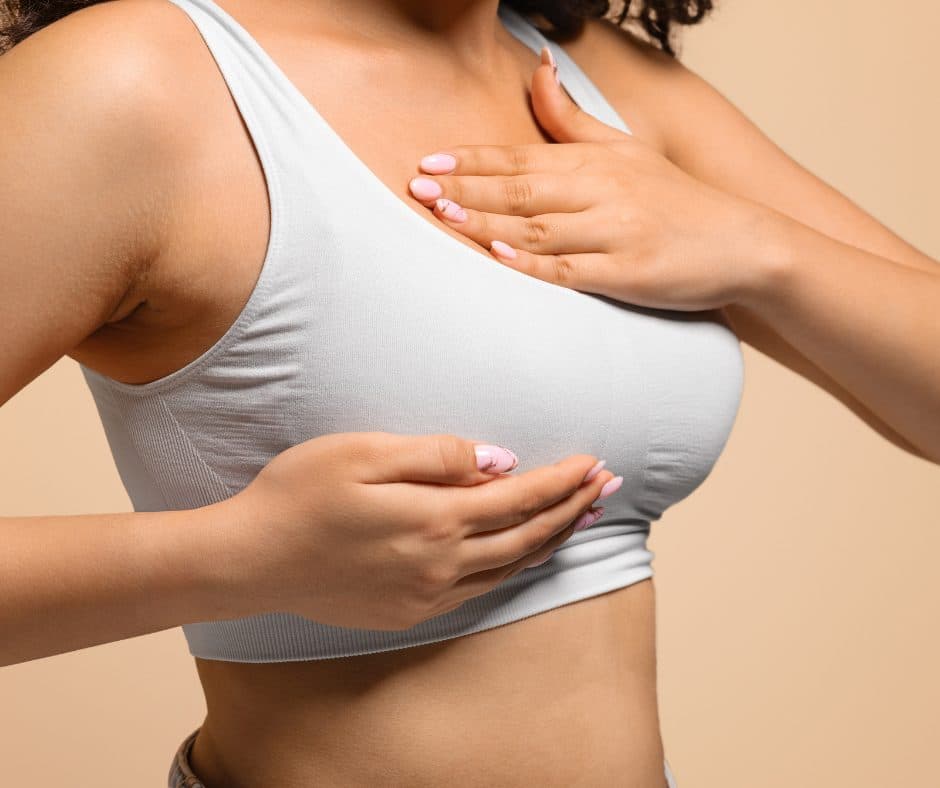
It's one of the most common questions we hear at Pirk: "I know I want to change my breasts, but I'm not sure if I need implants, a lift, or both." You're not alone — and the answer isn't always obvious. The two procedures solve different problems, and understanding the difference is the first step toward getting the result you're actually after.

This guide is written independently. Pirk isn't a clinic and we don't perform surgery. We're a concierge service that's assessed over 400 AHPRA-registered surgeons across Australia, and we see this question come up constantly. Here's what you need to know.
What Does Breast Augmentation Actually Do?
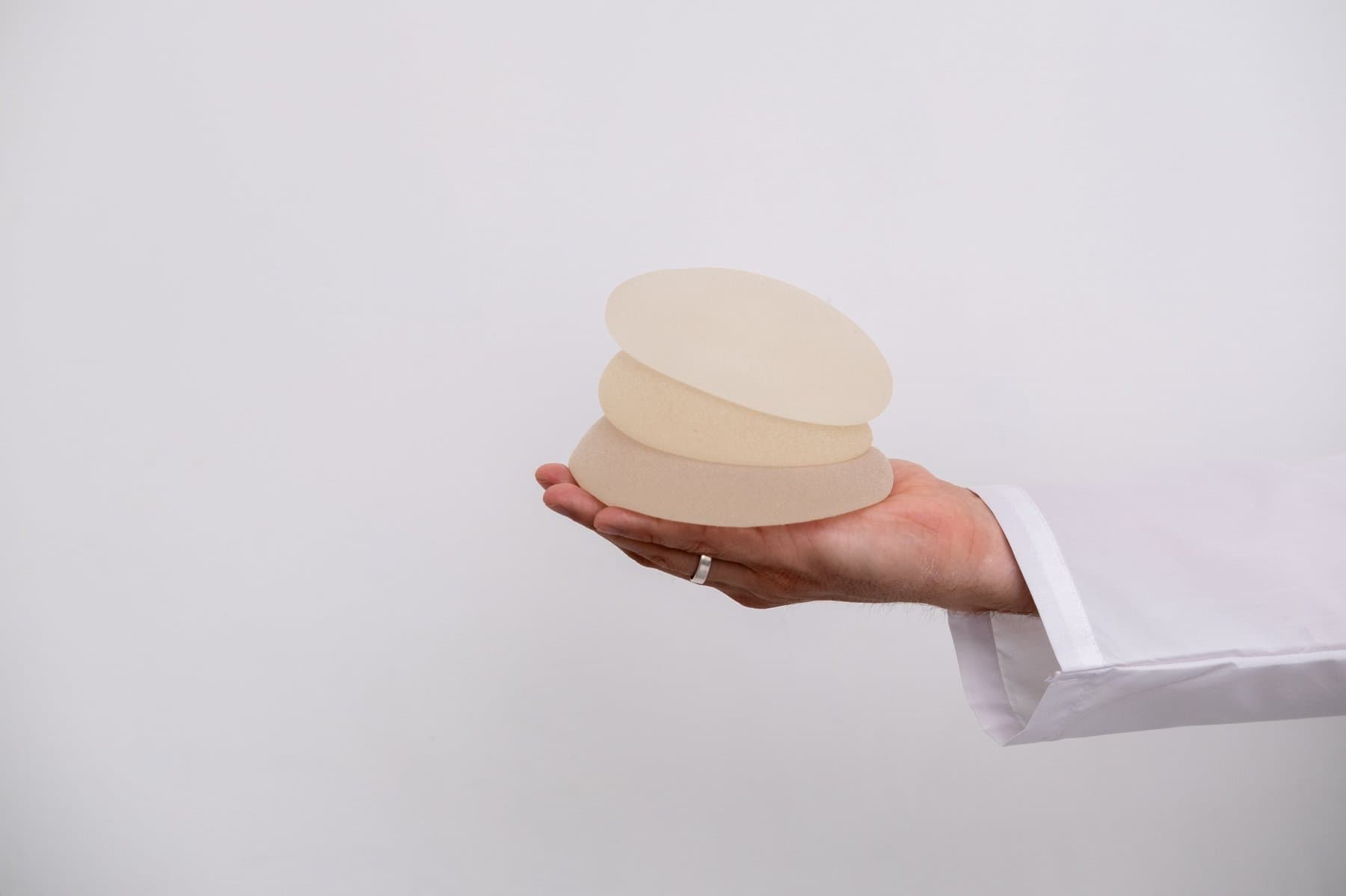
Breast augmentation (sometimes called a "boob job") uses implants — or in some cases, fat transfer — to increase the size and fullness of your breasts. It's primarily a volume procedure.
Augmentation is typically suited to women who:
- Feel their breasts are too small relative to their frame
- Have lost volume after pregnancy, breastfeeding, or weight loss but the nipple position is still good
- Want more fullness in the upper part of the breast (the "upper pole")
- Have naturally asymmetric breasts and want to even them out
What augmentation doesn't do well on its own is fix sagging. If your nipples have dropped below the crease under your breast (the inframammary fold), implants alone can sometimes make things look worse — adding weight to tissue that's already stretched. Your surgeon will assess whether augmentation alone can achieve the result you want, or whether a lift is needed as well.
For a detailed breakdown of implant types, see: Silicone vs Saline Implants: What Australian Women Need to Know
What Does a Breast Lift Do?
A breast lift — the medical term is mastopexy — reshapes and repositions the breast without necessarily changing its size. The surgeon removes excess skin, tightens the surrounding tissue, and moves the nipple and areola to a higher, more forward-facing position.
A lift is typically suited to women who:
- Have sagging (ptosis) caused by ageing, pregnancy, breastfeeding, or significant weight loss
- Have nipples that point downward or sit below the breast crease
- Have stretched areolas they'd like reduced
- Are generally happy with their breast volume but want a more youthful position and shape
A lift on its own doesn't add volume. If you're happy with your size but unhappy with the position, a lift may be all you need. If you want both more volume and a higher position, that's where a combined procedure comes in.
How Do I Know Which One I Need?
You may have heard of the "pencil test" — the idea that if you place a pencil under your breast fold and it stays, you might benefit from a lift. It's a rough concept, but it's not a diagnostic tool. The degree of ptosis (sagging) varies significantly, and only a qualified surgeon can properly assess your individual anatomy and recommend the right approach.
Here's a general guide:
You might need augmentation if:
- Your breasts have lost volume but the nipple sits above the breast crease
- You want to go up in cup size
- Your skin elasticity is still good
You might need a lift if:
- Your nipples sit at or below the breast crease
- You have excess, stretched skin
- You're happy with your size but not the shape or position
You might need both if:
- You've lost volume and your breasts have dropped
- You want more fullness and a higher, firmer shape
- Pregnancy, breastfeeding, or significant weight loss has changed both the size and position of your breasts
Your surgeon will assess your breast tissue, skin quality, nipple position, and your goals to recommend the right procedure. This is exactly why a face-to-face consultation matters — there's no substitute for a personalised assessment.
Not sure where to start? Take Pirk's free surgeon matching quiz and we'll connect you with AHPRA-registered surgeons experienced in the procedure you need.
Augmentation vs Lift vs Combined: The Comparison
Here's how the three options stack up across the key factors most women want to understand:
| Augmentation | Breast Lift (Mastopexy) | Combined (Aug + Lift) | |
|---|---|---|---|
| What it does | Adds volume and fullness using implants or fat transfer | Reshapes, lifts, and tightens; removes excess skin | Adds volume while also lifting and reshaping |
| Best suited for | Women wanting larger or fuller breasts with good skin elasticity | Women happy with size but wanting a higher, firmer position | Women who've lost both volume and position |
| Indicative cost range | $8,000 – $20,000 | $8,000 – $18,000 | $12,000 – $25,000 |
| Theatre time | Approximately 1 – 1.5 hours | Approximately 1.5 – 2.5 hours | Approximately 2.5 – 3.5 hours |
| Recovery (back to work) | 1 – 2 weeks | 1 – 2 weeks | 2 – 3 weeks |
| Full recovery | 6 – 8 weeks | 6 – 8 weeks | 8 – 12 weeks |
| Scarring | Minimal — small incision under the breast, around the areola, or in the armpit | More visible — around the areola and vertically down to the breast crease (lollipop) or with an additional horizontal incision (anchor) | Combination of both scar patterns |
| Implants involved? | Yes | No (unless combined) | Yes |
These are indicative figures only. Your actual costs and recovery timeline will depend on your individual circumstances and the surgeon you choose. For a full pricing breakdown, read: How Much Does Breast Augmentation Cost in Australia in 2026?
What's Involved in a Combined Augmentation and Lift?
A combined augmentation mastopexy is one of the more technically demanding breast procedures. Your surgeon is doing two things at once: inserting an implant to add volume, and removing skin and reshaping tissue to lift the breast into a higher position.
Because of this added complexity:
- Theatre time is longer — typically 2.5 to 3.5 hours under general anaesthetic
- The surgeon's fee is higher — reflecting the additional skill and planning required
- Recovery takes a bit longer — most women take 2 to 3 weeks off work, and full recovery can take 8 to 12 weeks
- Scarring is more extensive — you'll typically have scars around the areola, vertically down to the breast crease, and possibly along the crease itself
- Not every surgeon offers this as a single-stage procedure — some prefer to do the lift first and the augmentation several months later. This depends on the degree of ptosis and the surgeon's preferred approach
A combined procedure isn't more "risky" in a general sense, but it does require a surgeon with specific experience in augmentation mastopexy. This is a good reason to ask your surgeon how many of these combined procedures they perform each year.
How Do Pregnancy, Breastfeeding, and Weight Changes Affect the Decision?
This is a big consideration, and one that's worth discussing openly with your surgeon.
If you're planning to have children in the future, many surgeons will suggest waiting before having breast surgery — particularly a lift. Pregnancy and breastfeeding can stretch the skin and change breast shape significantly, which may reverse the results of a lift. Implants are generally less affected by pregnancy, but the tissue around them can still change.
If you've already had children and you're done, post-pregnancy changes are one of the most common reasons women seek either a lift, augmentation, or both. Loss of volume, changes in nipple position, and stretched skin are all normal after breastfeeding — and all addressable.
Significant weight fluctuations also affect your results. Losing or gaining a substantial amount of weight after surgery can change the size and shape of your breasts. Most surgeons recommend being at a stable weight you're comfortable with before having any breast procedure.
Breastfeeding after augmentation is generally possible, though implant placement (above or below the muscle) and incision location can affect milk supply in some cases. Breastfeeding after a lift depends on how much tissue was repositioned. Your surgeon can discuss this based on the specific technique they'd use.
How Does Recovery Compare?
Recovery for augmentation and lift procedures follows a similar general pattern, but there are some differences worth knowing:
Augmentation recovery:
- Most women take 5 to 7 days off work for a desk job
- You'll wear a compression bra or support garment for 4 to 6 weeks
- No heavy lifting or upper body exercise for 4 to 6 weeks
- Implants "settle" into their final position over 3 to 6 months (the "drop and fluff" phase)
Lift recovery:
- Similar timeframe to augmentation — about 1 to 2 weeks off work
- Scar management is a bigger part of the aftercare, since incision lines are longer
- Swelling can take longer to fully resolve because more tissue has been handled
- Support garment for 4 to 6 weeks
Combined procedure recovery:
- 2 to 3 weeks off work is typical
- More swelling and bruising initially because the surgery is more extensive
- Scar management is important — your surgeon may recommend silicone tape or sheets
- Full results take 3 to 6 months to show as swelling resolves and implants settle
For a week-by-week recovery guide, read: Breast Augmentation Recovery: Week-by-Week Timeline
What Questions Should I Ask My Surgeon?
When you go to your consultation, here are some key questions to help you work out which procedure (or combination) is right for you:
- Based on my anatomy, do you recommend augmentation, a lift, or both — and why?
- If I need both, do you perform them as a single procedure or in two stages?
- How many augmentation mastopexy procedures do you perform each year?
- What type of scarring should I expect, and how do you manage scar healing?
- What's the total all-inclusive cost for the procedure you're recommending?
- How will pregnancy or weight changes affect my results down the track?
For a full consultation checklist, read: What Questions Should I Ask at My Breast Augmentation Consultation?
Looking for a surgeon experienced in the procedure you need? Take Pirk's free matching quiz — it takes two minutes, and we'll match you with AHPRA-registered surgeons based on your goals, location, and budget.
Frequently Asked Questions
Can I just get a bigger implant instead of a lift?
A larger implant can fill out loose skin to some extent, but it won't reposition a nipple that has dropped below the breast crease. If there's significant ptosis, adding a larger implant without a lift can result in a "bottom heavy" look. Your surgeon will advise whether augmentation alone can achieve a natural result, or whether a lift is needed too.
Is a breast lift covered by Medicare?
A breast lift is classified as cosmetic surgery in most cases and is not covered by Medicare or private health insurance. However, if you have significant functional issues — such as skin rashes, chronic pain, or very significant ptosis — Medicare item numbers may apply. Your GP can advise whether a referral under a relevant item number is appropriate. Read more: Is Breast Augmentation Covered by Medicare in Australia?
How long do breast lift results last?
A breast lift can't stop the ageing process. Gravity, skin elasticity changes, and hormonal shifts will continue to affect your breasts over time. Most women are happy with their lift results for many years, but some degree of natural descent will occur. Maintaining a stable weight and wearing a supportive bra can help preserve results.
Will I lose nipple sensation after a lift?
Changes in nipple sensation are possible with both augmentation and lift procedures. Most women experience temporary changes that resolve within a few months. Permanent changes are less common but can occur. Your surgeon can discuss the likelihood based on the specific technique they'd use.
What's the minimum age for these procedures in Australia?
In Australia, breast augmentation with implants cannot be performed on anyone under 18 years of age. For women aged 18 to 21, there is a mandatory three-month cooling-off period and a requirement for a psychological assessment. These are regulatory requirements under Australian law.
Disclaimer: Pirk is not a medical provider. We're here to support your decisions and help connect you with qualified, registered health practitioners. All procedures are performed by qualified surgeons or registered health practitioners, and any medical advice should always come directly from your treating provider. The costs, timeframes, and clinical information in this article are indicative only and will vary based on individual circumstances. We guide you through the journey, but all medical decisions are made between you and your surgeon.
Key Facts & Data
Verified data referenced in this article
Pirk has independently assessed over 200 cosmetic surgeons across Australia.
Source: Pirk client research
Men now account for approximately 10–15% of all cosmetic surgery patients in Australia, making them the fastest-growing demographic.
Gynaecomastia affects an estimated 30–60% of men at some point in their lives.
Source: Endocrine Society Clinical Practice Guidelines
Breast augmentation in Australia typically costs $10,000–$18,000 all-inclusive (surgeon, anaesthetist, hospital, and implants).
Source: Pirk surgeon assessment data (2026)
Data is indicative and sourced from the organisations listed. Pirk client research data is based on aggregated, anonymised client interactions. Individual experiences vary.