Breast augmentation in Australia typically costs between $8,000 and $20,000 all up. That's a wide range, and the final number depends on your surgeon's experience, the type of implant, where you have the procedure done, and what's included in the quote. There's no single "standard price" — which is exactly why it pays to understand what you're actually comparing.

We put this guide together independently. Pirk isn't a clinic and we don't perform surgery. We're a concierge service that's assessed over 400 AHPRA-registered surgeons across Australia, so we see the pricing landscape from the outside — no sales agenda, just straight information.
What's Actually Included in the Cost?
The price you're quoted isn't one fee. It's usually made up of three to five separate charges, and not every clinic bundles them the same way.
It breaks down like this:
- Surgeon's fee — approximately $3,500 to $7,000. This covers the surgeon's time in theatre, their expertise, and pre-operative planning. FRACS-registered plastic surgeons generally sit at the higher end of this range.
- Anaesthetist's fee — approximately $1,000 to $2,500. You'll have a separate anaesthetist, and their fee is often quoted independently.
- Hospital or facility fee — approximately $1,500 to $5,000. This covers the operating theatre, nursing staff, your bed, and any overnight stay if needed.
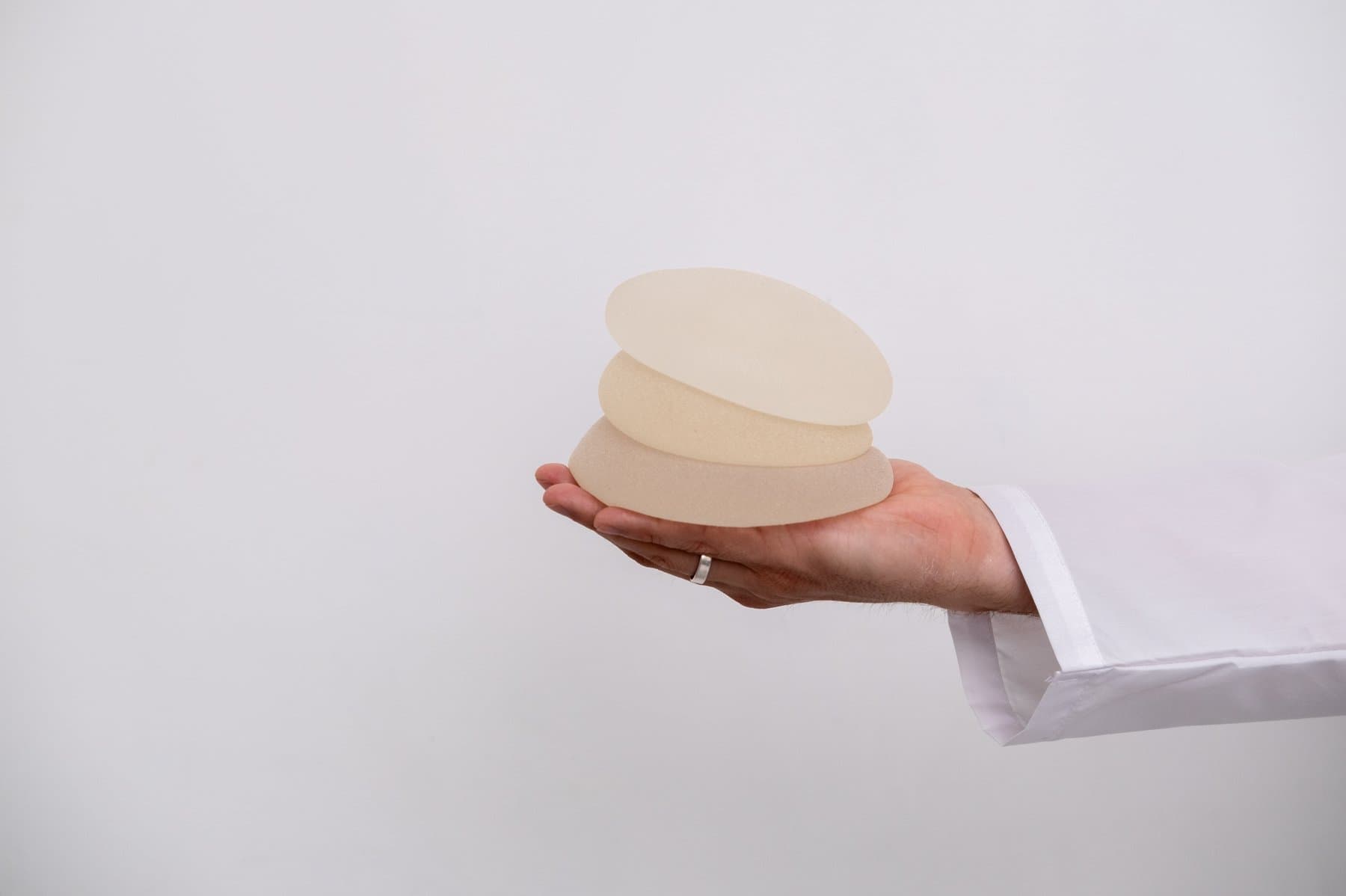
- Implant cost — approximately $1,000 to $3,000. Depends on the brand, type (silicone gel, cohesive gel, saline), and whether a warranty is included.
- Post-operative care — some surgeons include follow-up appointments, compression garments, and medications in their quote. Others charge separately.
When you're comparing quotes, always ask: what's included? A $9,000 quote that covers everything can be better value than a $7,000 quote with $3,000 in extras.
How Do Costs Vary by City?
Pricing shifts depending on where you are in Australia. Here's an indicative breakdown by major city:

| City | Approximate Range |
|---|---|
| Sydney | $9,000 – $18,000 |
| Melbourne | $8,500 – $17,000 |
| Brisbane | $8,000 – $15,000 |
| Perth | $9,000 – $17,000 |
| Adelaide | $8,000 – $14,000 |
| Gold Coast | $8,500 – $16,000 |
| Newcastle | $10,000 – $25,000 |
Sydney and Melbourne tend to sit at the higher end because of higher facility costs and demand. Regional cities can sometimes offer lower pricing, but travel, accommodation, and follow-up visits add to the total if you're not local.
These are indicative figures only. Your actual quote will depend on your individual circumstances, the surgeon you choose, and the complexity of the procedure.
Why Is There Such a Big Price Difference Between Surgeons?
An $8,000 quote and an $18,000 quote aren't necessarily for the same thing. The gap usually comes down to a few things:
Surgeon qualifications and experience. A Fellow of the Royal Australasian College of Surgeons (FRACS) who has performed thousands of breast augmentations over 15 years will charge more than someone earlier in their career. That fee reflects years of training, not just time in theatre.
Facility quality. Fully accredited private hospitals cost more to operate in than smaller day surgery centres. The trade-off is typically more comprehensive nursing care and emergency backup.
Implant choice. Premium implant brands with longer warranties and additional safety certifications cost more upfront but may save you money long-term if they reduce the likelihood of revision surgery.
What's bundled in. Some surgeons include all follow-up appointments, garments, and medications for 12 months. Others charge per visit after the first check-up. Always ask what happens if you need extra appointments.
The cheapest option isn't automatically the worst, and the most expensive isn't automatically the best. What matters is understanding what you're paying for.
Does Medicare or Private Health Insurance Cover Breast Augmentation?
Usually not, if it's purely cosmetic.
Breast augmentation performed purely for aesthetic reasons is classified as cosmetic surgery and is not covered by Medicare or private health insurance in Australia.
That said, there are exceptions. If you have a documented medical reason — for example, significant breast asymmetry affecting daily function, or reconstruction after a mastectomy — Medicare item numbers may apply, and your private health fund may contribute. You'll need a referral from your GP and your surgeon will need to confirm that you meet the clinical criteria.
If you're unsure whether your situation might qualify, it's worth having that conversation with your GP before your surgeon consultation. They can advise whether a referral under a relevant Medicare item number is appropriate.
For a deeper dive on this, read our guide: Is Breast Augmentation Covered by Medicare in Australia?
What About Payment Plans and Finance Options?
Most Australian clinics work with third-party medical finance providers. Common options include:
- Interest-free payment plans — typically 12 to 24 months, offered directly through the clinic or via providers like Zip Money or Humm. Terms and conditions apply.
- Medical finance loans — longer-term finance (up to 5-7 years) through providers like TLC or My Medical Funder. These do carry interest.
- Superannuation release — in very limited circumstances, you may be able to access super for medical procedures. This is rare for cosmetic surgery and requires ATO approval.
A word of caution: don't let easy finance push you toward a decision you're not ready for. The procedure, recovery, and results are with you for life — the payment plan isn't.
How Do I Know If I'm Getting a Fair Price?
A few things you can do:
Get at least three quotes. Not to find the cheapest — to understand the range and what different surgeons include. Comparing like-for-like is the only way to know if a quote is reasonable.
Check the surgeon's registration. Every surgeon you consult should be registered with AHPRA. You can verify this yourself on the AHPRA register. For plastic surgeons specifically, look for FRACS qualification.
Ask what revision surgery costs. No one wants to think about this upfront, but implants aren't lifetime devices. Ask what happens if you need a revision in 5 or 10 years — is there a reduced fee? What does the implant warranty cover?
Don't compare on price alone. Your surgeon's experience, the facility's accreditation, and the quality of aftercare matter as much as the number on the invoice.
If you want an independent comparison without the sales pitch, that's exactly what Pirk does. We've independently assessed hundreds of surgeons and can help you understand what's reasonable for your situation. Start Pirk's free surgeon assessment to get started.
What Questions Should I Ask About Pricing at My Consultation?
Your initial consultation (which typically costs between $100 and $500) is your chance to get clarity. Here's what to ask:
- What is the total all-inclusive cost? Is there anything not included in this quote?
- What are the surgeon's fees, anaesthetist's fees, and hospital fees separately?
- What brand and type of implant do you recommend, and what does the warranty cover?
- How many follow-up appointments are included, and what's the cost of additional visits?
- What happens financially if I need revision surgery?
- Do you offer payment plans, and are there interest charges?
For a full list, see our guide: What Questions Should I Ask at My Breast Augmentation Consultation?
Are Cheaper Options Overseas Worth It?
Medical tourism — particularly to Thailand, South Korea, and Turkey — can seem appealing when you're looking at Australian prices. Overseas procedures can cost 40-60% less.
But there are some real trade-offs:
- Follow-up care. If something goes wrong after you fly home, your local GP or surgeon may not be familiar with the work that was done. Corrective surgery in Australia can cost more than the original procedure would have.
- Regulation differences. Australia's TGA and AHPRA frameworks are among the strictest in the world. Not all countries have equivalent standards for implant quality, facility accreditation, or surgeon registration.
- Flying after surgery. Long-haul flights within days of a procedure increase the risk of blood clots and complications.
This isn't to say overseas surgery is always a bad choice. But it's worth going in with your eyes open about the trade-offs — and factoring in the true total cost including travel, accommodation, and potential follow-up care back in Australia.
How Much Should I Budget for Recovery Costs?
Surgery is the big-ticket item, but recovery adds up too:
- Compression garments — $50 to $150 (sometimes included in your surgical quote)
- Medications — $50 to $200 for pain relief, antibiotics, and anti-nausea medication
- Time off work — most people take 1-2 weeks off. If you're self-employed or on casual rates, factor in lost income
- Childcare or help at home — you won't be able to lift anything heavy for several weeks
- Follow-up imaging — some surgeons recommend ultrasound or MRI checks at certain intervals
Budget an extra $500 to $1,500 on top of your surgical quote for these costs.
For a detailed breakdown of what to expect week by week, read: Breast Augmentation Recovery: Week-by-Week Timeline
Frequently Asked Questions
How long do breast implants last?
Breast implants aren't lifetime devices. Most manufacturers and surgeons suggest planning for replacement or removal around the 10 to 15 year mark, though some last longer without issues. Your surgeon can advise on a monitoring schedule. Silicone vs Saline Implants: What Australian Women Need to Know covers the differences in longevity between implant types.
Can I get a breast augmentation and lift at the same time?
Yes, a combined augmentation and lift (augmentation mastopexy) is a common procedure. It typically costs more than augmentation alone because it involves more theatre time and complexity. If you're unsure which you need, read: Breast Augmentation vs Breast Lift: Which Do I Actually Need?
Is it worth paying more for a FRACS-qualified surgeon?
FRACS (Fellow of the Royal Australasian College of Surgeons) is the highest surgical qualification in Australia. It requires a minimum of 12 years of medical and surgical training. While non-FRACS practitioners can legally perform cosmetic procedures, FRACS qualification means your surgeon has completed the most rigorous training pathway available. It's a personal decision, but it's worth understanding what the qualification represents. How Do I Choose a Qualified Breast Augmentation Surgeon in Australia? walks through what to look for.
What's the difference between a plastic surgeon and a cosmetic surgeon in Australia?
In Australia, "plastic surgeon" refers specifically to a surgeon registered with AHPRA as a specialist plastic surgeon, typically holding FRACS qualification. "Cosmetic surgeon" is a broader term that can include doctors with different training backgrounds. Understanding this distinction matters when you're comparing quotes and qualifications.
When is the best time of year to have breast augmentation in Australia?
Many Australians schedule their procedures in autumn or winter (April to August). Recovery is more comfortable in cooler weather — you'll be wearing compression garments and avoiding sun exposure on scars. It also means you're healed and feeling confident by summer.
Disclaimer: Pirk is not a medical provider. We're here to support your decisions and help connect you with qualified, registered health practitioners. All procedures are performed by qualified surgeons or registered health practitioners, and any medical advice should always come directly from your treating provider. We guide you through the journey, but all medical decisions are made between you and your surgeon.
Key Facts & Data
Verified data referenced in this article
Breast augmentation in Australia typically costs $10,000–$18,000 all-inclusive (surgeon, anaesthetist, hospital, and implants).
Source: Pirk surgeon assessment data (2026)
Without Medicare or private health insurance support, breast reduction in Australia typically costs approximately $10,000 to $18,000. With Medicare and PHI eligibility, out-of-pocket costs can be substantially lower.
Source: Pirk client research
Rhinoplasty in Australia typically costs $10,000–$22,000 all-inclusive, with significant variation based on complexity and surgeon experience.
Source: Pirk surgeon assessment data (2026)
Combined post-pregnancy procedures in Australia typically cost between $20,000 and $40,000 all-inclusive, depending on which procedures are combined, the surgeon, and location.
Source: Pirk surgeon assessment data (2026)
Data is indicative and sourced from the organisations listed. Pirk client research data is based on aggregated, anonymised client interactions. Individual experiences vary.